Property managers and facility directors face critical decisions when selecting contractors to maintain heating and cooling systems across commercial portfolios. The right partnership ensures tenant comfort, minimizes operational disruptions, and protects your bottom line through efficient equipment performance. Northern Nevada's unique climate demands and local building requirements make contractor selection particularly important for long-term reliability. Understanding key comparison criteria helps you identify providers who deliver consistent results rather than contractors who overpromise and underdeliver.
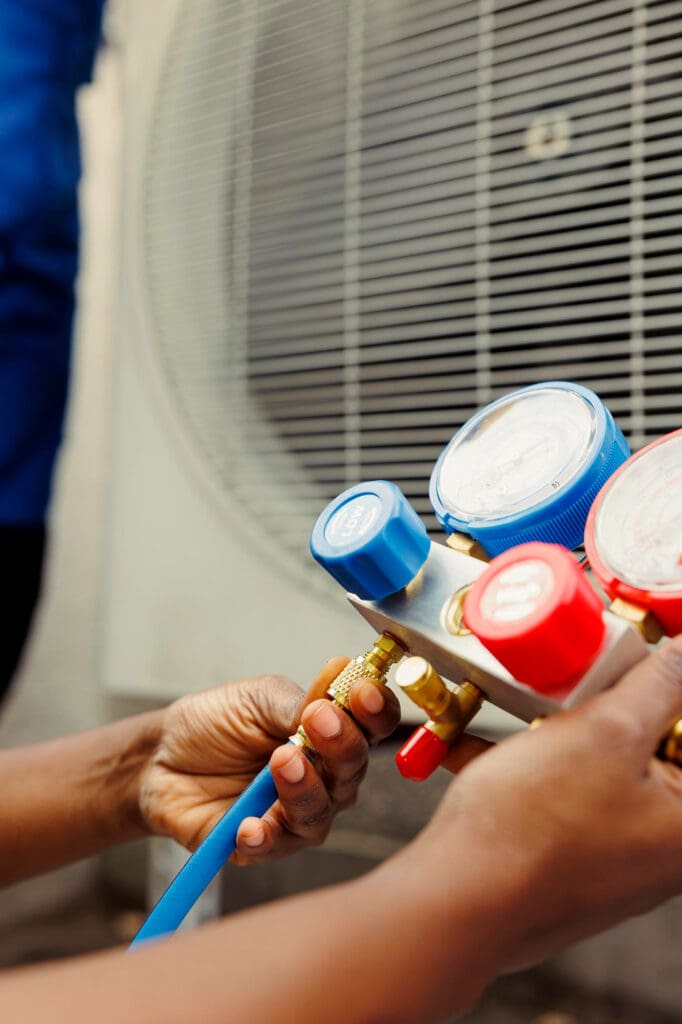
Commercial HVAC Licensing Requirements in Nevada
Evaluating commercial hvac companies begins with verifying current licensing through the Nevada State Contractors Board. Valid contractors must hold either a C-1 plumbing and heating license or a C-21 refrigeration and air conditioning license to legally perform commercial HVAC work in the state. These credentials confirm that technicians have passed examinations testing their knowledge of mechanical systems, safety protocols, and Nevada building codes. Licensed contractors carry required insurance coverage that protects property owners from liability if accidents or equipment damage occurs during service visits. Checking license status takes minutes through the state board website and eliminates contractors who operate without proper credentials.
Nevada licensing laws exist specifically to protect commercial property owners from unqualified contractors who lack adequate training or insurance coverage. The C-21 license category includes separate classifications for air conditioning, heating, and sheet metal work, with some contractors holding multiple certifications that expand their service capabilities. Comprehensive licensing allows contractors like Hadlock Mechanical Services to handle complete projects without subcontracting critical components to outside parties. This integrated approach streamlines communication, reduces project timelines, and ensures consistent quality across all work phases. Property managers who verify licensing before signing contracts avoid legal complications and ensure their HVAC investments receive attention from qualified professionals.
Licensed contractors also maintain bonds that provide financial recourse if contractors fail to complete work according to agreements or violate contract terms. The bonding requirement adds another layer of protection beyond standard insurance coverage, giving property owners options if disputes arise during projects. Licensing boards investigate complaints against contractors and can suspend or revoke credentials for serious violations, creating accountability that protects consumers. Working with properly licensed contractors demonstrates your commitment to responsible property management and protects you from code violations that result from improper installations. The peace of mind licensed professionals provide justifies taking time to verify credentials before authorizing any commercial HVAC work.
Understanding Emergency Response Times
Commercial hvac companies throughout Northern Nevada advertise emergency services, but actual response capabilities vary significantly between contractors. Fast response times become critical when system failures occur during extreme weather, as extended outages create tenant complaints and potential safety concerns. Some contractors maintain dedicated emergency crews available around the clock, while others rely on regular technicians working overtime to handle after-hours calls. Understanding each company's emergency protocols helps you set realistic expectations and choose providers whose capabilities match your property's needs. Property managers should ask specific questions about average response times, parts availability, and diagnostic capabilities before emergencies occur.
Response time commitments mean little without the technical expertise to diagnose problems accurately and complete repairs efficiently. The best emergency services combine rapid arrival with skilled technicians who carry common replacement parts and specialized diagnostic equipment. Companies that stock frequently needed components can often complete repairs during initial visits, while those requiring parts orders extend downtime significantly. Emergency availability details should appear clearly in service agreements, specifying hours of operation, response time guarantees, and any premium charges for after-hours service. Clarifying these details upfront prevents misunderstandings when actual emergencies test contractor capabilities under pressure.
Northern Nevada's extreme temperature swings make emergency HVAC response particularly important for protecting commercial properties and tenant relationships. Summer heat waves and winter cold snaps place exceptional demands on equipment, increasing failure risks during periods when reliable climate control matters most. Contractors familiar with regional weather patterns understand which components fail most frequently during seasonal extremes and prepare accordingly with appropriate parts inventory. Emergency response quality directly impacts tenant satisfaction, lease renewals, and your reputation as a responsive property manager. Comparing actual emergency capabilities rather than marketing promises helps you identify contractors who deliver when systems fail unexpectedly.
Evaluating Preventive Maintenance Programs
Commercial hvac companies in Northern Nevada structure preventive maintenance programs differently, making careful comparison essential for maximizing value and system reliability. Comprehensive programs include biannual servicing that prepares equipment for summer cooling and winter heating demands specific to the region's climate. Maintenance visits should include detailed inspections, component cleaning, refrigerant level checks, electrical connection testing, and control system verification that identifies potential problems before failures occur. Programs offering flat-rate pricing provide budget predictability, while those charging per visit can result in unexpected expenses that complicate financial planning. Property managers should request detailed service checklists showing exactly what each maintenance visit includes to ensure programs deliver genuine value.
Variable climate conditions throughout Northern Nevada make seasonal maintenance especially valuable for extending commercial HVAC equipment lifespan and preventing failures during peak usage periods. Spring tune-ups address cooling system components that sit idle through winter months, while fall inspections verify heating elements function properly before cold weather arrives. Quality maintenance programs adjust system settings to match seasonal demands, optimizing efficiency and reducing unnecessary wear from improper operation. Contractors who understand regional climate patterns tailor maintenance schedules to address the specific challenges Sparks, Reno, and Carson City properties face throughout the year. This localized approach delivers better results than generic maintenance programs designed for milder climates.
Documented maintenance histories provide valuable records that demonstrate responsible asset management during property sales, refinancing activities, or insurance claims. Regular tune-ups create service documentation that tracks system performance over time, helping identify degradation patterns that inform replacement timing decisions. Maintenance programs should include detailed reporting after each visit, noting findings, completed work, and recommendations for future attention. These records prove especially valuable during equipment warranty claims, as manufacturers often require proof of regular maintenance before honoring coverage. Comparing maintenance programs based on service scope, reporting quality, and pricing structure helps you select contractors who protect your investment rather than those offering minimal service at artificially low prices.
Dedicated Commercial Service Teams From Hadlock Mechanical Services
Northern Nevada commercial hvac companies distinguish themselves through dedicated teams focused exclusively on commercial properties rather than mixing residential and commercial service calls. Specialized commercial teams develop expertise in the unique demands property managers face, from coordinating service around tenant schedules to understanding lease obligations and building code requirements. Hadlock Mechanical Services maintains technicians trained specifically in commercial applications common to apartments, offices, and light industrial facilities throughout the Sparks area. Dedicated commercial focus ensures your service calls receive priority attention from professionals who understand business operations cannot afford extended HVAC downtime. Companies splitting attention between residential and commercial work often struggle to provide the consistent availability commercial properties require.
Commercial-focused service teams also build relationships with property managers that improve communication and streamline service delivery over time. Technicians familiar with your specific properties recognize recurring issues, understand existing equipment configurations, and work more efficiently because they know site layouts and access procedures. This familiarity reduces diagnostic time during emergencies and helps technicians arrive prepared with appropriate tools and parts for known equipment types. Long-term relationships with dedicated commercial teams create accountability that improves service quality and responsiveness compared to rotating technician assignments. Property managers benefit from working with familiar professionals who understand their standards and expectations.
Business hours and scheduling flexibility represent another key difference between residential-focused contractors and true commercial service providers. Commercial operations require coordination around tenant schedules, building access restrictions, and minimal disruption to normal business activities. Contractors experienced with commercial properties understand these constraints and work efficiently within necessary limitations. Dedicated commercial teams also recognize the urgency system failures create in multi-tenant buildings where complaints escalate quickly into formal lease disputes. The specialized knowledge commercial service teams provide justifies seeking contractors who commit resources specifically to business properties rather than treating commercial work as secondary to residential operations.
Choosing the Right HVAC Partner for Your Property
Comparing commercial hvac companies requires evaluating licensing credentials, emergency response capabilities, maintenance program structures, and commercial service commitment. Northern Nevada contractors vary significantly in their focus areas, with some concentrating on light commercial properties while others target large industrial installations. Hadlock Mechanical Services specializes in apartments, offices, and similar commercial buildings throughout the Sparks, Reno, and Lake Tahoe regions. Their Nevada licensing, local climate expertise, and commercial focus position them to deliver reliable service that protects your investment and maintains tenant satisfaction. Contact Hadlock Mechanical Services to discuss your specific HVAC needs and learn how their commercial expertise can improve your property operations.